About The Great Gatsby
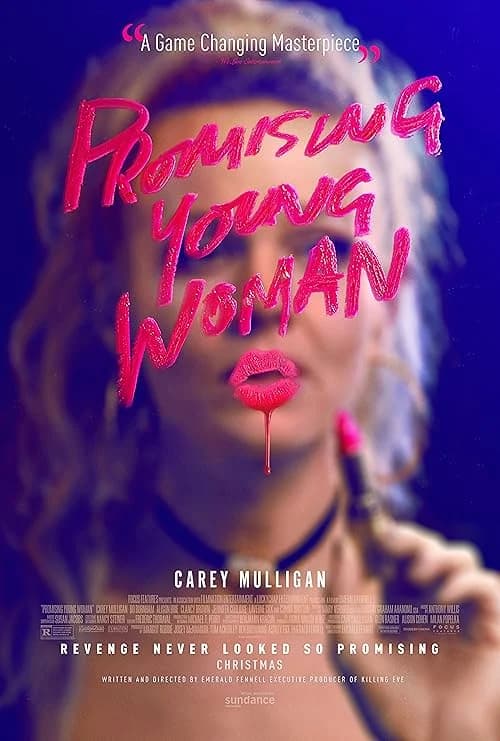
Baz Luhrmann's 2013 adaptation of 'The Great Gatsby' is a visually spectacular and emotionally resonant dive into the heart of the Jazz Age. The film, starring Leonardo DiCaprio as the enigmatic Jay Gatsby and Carey Mulligan as his lost love Daisy Buchanan, transforms F. Scott Fitzgerald's seminal novel into a cinematic feast. Through the eyes of narrator Nick Carraway (Tobey Maguire), we are drawn into a world of extravagant Long Island parties, hidden desires, and the relentless pursuit of a corrupted American Dream. Luhrmann's signature hyper-stylized direction, combined with a modern soundtrack curated by Jay-Z, creates a unique and immersive experience that bridges the 1920s with contemporary sensibilities.
The performances are a key strength. DiCaprio masterfully captures Gatsby's charming facade and profound vulnerability, while Mulligan embodies Daisy's ethereal beauty and tragic fragility. The film's true power lies in its exploration of themes like love, obsession, class, and the emptiness of materialism. It is both a celebration of decadence and a poignant critique of it. Viewers should watch 'The Great Gatsby' not just for its breathtaking visuals and stellar cast, but for its timeless story about the cost of ambition and the illusion of reinvention. It remains a compelling and relevant portrait of hope and disillusionment.
The performances are a key strength. DiCaprio masterfully captures Gatsby's charming facade and profound vulnerability, while Mulligan embodies Daisy's ethereal beauty and tragic fragility. The film's true power lies in its exploration of themes like love, obsession, class, and the emptiness of materialism. It is both a celebration of decadence and a poignant critique of it. Viewers should watch 'The Great Gatsby' not just for its breathtaking visuals and stellar cast, but for its timeless story about the cost of ambition and the illusion of reinvention. It remains a compelling and relevant portrait of hope and disillusionment.