
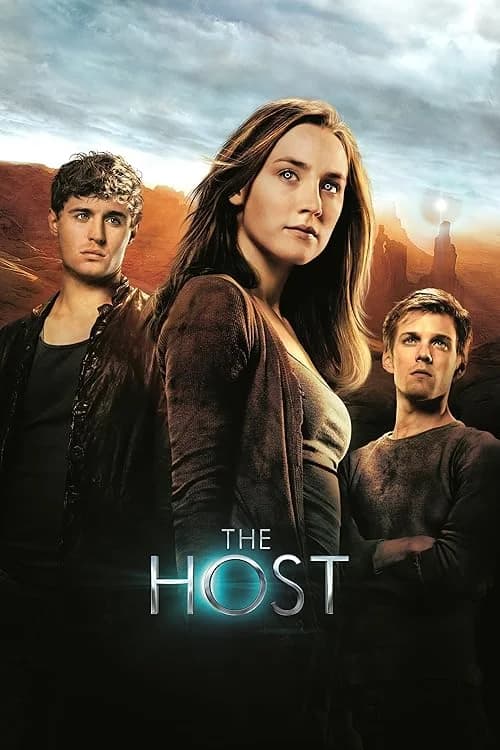
About The Host
Bong Joon-ho's 'The Host' (2006), originally titled 'Goemool,' is a masterful genre hybrid that transcends typical monster movie conventions. The film begins with a terrifying premise—a mutated creature emerging from Seoul's Han River to terrorize the city—but quickly reveals itself as a deeply human family drama wrapped in political satire and social commentary. When the monster captures young Hyun-seo, her seemingly incompetent family—including her clumsy father Gang-du—embarks on a desperate rescue mission against both the creature and an indifferent government bureaucracy.
The performances anchor the film's emotional core, particularly Song Kang-ho as the flawed but determined Gang-du, whose transformation from hapless snack bar worker to relentless protector forms the story's heart. Bong's direction balances genuine horror with unexpected humor and poignant family dynamics, creating a tone that's uniquely Korean yet universally accessible. The creature effects, groundbreaking for their time, remain impressively visceral, serving the story rather than dominating it.
What makes 'The Host' essential viewing is its brilliant layering of themes beneath the thrilling surface. The film critiques institutional failure, environmental negligence, and American interventionism while never losing sight of its central family's emotional journey. This balance of spectacle and substance explains why it became South Korea's highest-grossing film at its release and remains a landmark in international cinema. For viewers seeking intelligent horror with emotional depth and social relevance, 'The Host' delivers an unforgettable experience that rewards multiple viewings.
The performances anchor the film's emotional core, particularly Song Kang-ho as the flawed but determined Gang-du, whose transformation from hapless snack bar worker to relentless protector forms the story's heart. Bong's direction balances genuine horror with unexpected humor and poignant family dynamics, creating a tone that's uniquely Korean yet universally accessible. The creature effects, groundbreaking for their time, remain impressively visceral, serving the story rather than dominating it.
What makes 'The Host' essential viewing is its brilliant layering of themes beneath the thrilling surface. The film critiques institutional failure, environmental negligence, and American interventionism while never losing sight of its central family's emotional journey. This balance of spectacle and substance explains why it became South Korea's highest-grossing film at its release and remains a landmark in international cinema. For viewers seeking intelligent horror with emotional depth and social relevance, 'The Host' delivers an unforgettable experience that rewards multiple viewings.


